Hummer Miller: A Stylish Script Handwritten Font for Modern Web Design
Hummer Miller for Hero Sections and High-Impact Web Headers
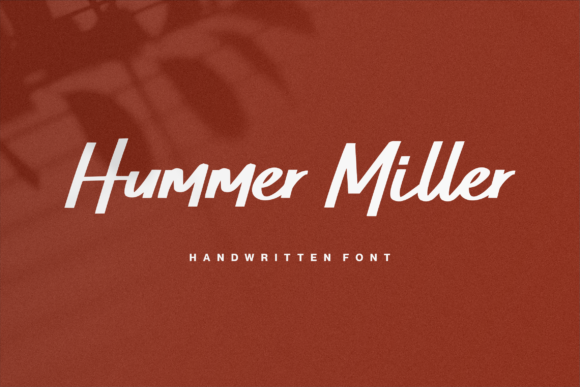
Hummer Miller is a script handwritten font that brings elegance and personality to digital design. Its calligraphic roots are evident in every stroke, yet it feels contemporary enough to fit modern web layouts. As a web designer, I often look for fonts that can elevate a hero section without compromising readability — and Hummer Miller does just that. Whether used for a landing page headline or a bold header on a SaaS website, this font commands attention while maintaining a warm, approachable tone.
Visual Hierarchy and Brand Voice in Landing Page Design
In digital product creation, visual hierarchy is everything. Hummer Miller works beautifully as a display font in hero areas, helping to guide the user’s eye through the layout. Pair it with a clean sans serif for body text and you instantly establish a clear reading rhythm. This contrast also reinforces brand tone — the font’s stylish curves and expressive strokes lend themselves to brands that want to feel both professional and personable. Think of using it for a coaching website, course sales page, or a boutique online store where brand identity plays a key role in conversion.
Hummer Miller for Digital Branding and Logo Design
When building a brand’s online presence, consistency is key. Hummer Miller supports that by offering a unique typographic voice that’s both memorable and versatile. Whether used in a logo, favicon, or branded content section, this handwritten font adds a human touch that’s often missing in digital interfaces. It works especially well for lifestyle brands, creative entrepreneurs, and service-based businesses that want to project authenticity and warmth.
Using Hummer Miller in Logo Text and Signature Brand Elements
Because of its calligraphic influence, Hummer Miller shines when used in logo design or signature brand elements like taglines and callouts. It’s best used at medium to large sizes, making it ideal for SVG logos on a homepage or as a styled header in a portfolio website. For digital product creators, this font can be part of a larger brand kit that includes custom illustrations, color palettes, and icon sets — all working together to create a cohesive and recognizable identity.
Hummer Miller for E-Commerce Banners and Online Store Headers
For online store owners and Shopify designers, choosing the right font can impact how users perceive your brand. Hummer Miller offers a fresh alternative to overused script fonts, giving product banners and promotional headers a sense of sophistication. Use it in hero banners for seasonal sales, featured product pages, or email headers — it adds a personal, hand-crafted feel that resonates with shoppers looking for authenticity.
Responsive Design Tips for Using Hummer Miller on Mobile Screens
While Hummer Miller is expressive and elegant, it’s important to use it thoughtfully on mobile. I recommend using it for short phrases, titles, and accents rather than long paragraphs. On small screens, ensure that the font size remains legible — typically no smaller than 18px for headers. When used on image overlays or dark backgrounds, test contrast levels to maintain readability. Also, consider using webfont optimization techniques to ensure fast loading times across all devices.
Hummer Miller for Blog Graphics and Social Media Content
Digital marketers and content creators can benefit greatly from Hummer Miller when designing blog headers, quote graphics, and Instagram stories. Its stylish strokes make it perfect for quote overlays, featured article titles, or branded social media templates. When used in Canva or Figma, it pairs well with minimalist layouts, letting the font be the focal point without overwhelming the design.
Pairing Hummer Miller with Supporting Fonts in Editorial Web Design
Font pairing is a crucial part of web typography. For Hummer Miller, I often recommend pairing it with a clean sans serif like Open Sans or Lato for body text. If you're designing a more editorial-style site, such as a personal blog or creative portfolio, consider using a serif font like Merriweather or Playfair Display for secondary headings. This creates a layered, professional look while maintaining readability and visual flow.
Hummer Miller for Course Sales Pages and Digital Product Branding
Course creators and digital product sellers need to build trust and clarity in their sales pages. Hummer Miller helps achieve that by adding a personal, approachable tone to headlines and feature sections. Whether you're designing a course landing page in Webflow or a Notion-based sales template, this script handwritten font enhances the visual appeal without sacrificing usability. It’s especially effective in testimonials, course titles, and value proposition areas.
Font Licensing and Commercial Use Considerations
Before using Hummer Miller in client projects or commercial websites, always verify the font's licensing terms. Most premium fonts come with a commercial use license, but it's important to check whether it includes webfont usage for platforms like Wix, Shopify, or WordPress. If you're embedding the font in a downloadable digital product or template, ensure the license covers those use cases to avoid legal issues down the line.
Hummer Miller for Creative Portfolios and Personal Websites
As a UI designer, I often use Hummer Miller in personal websites and creative portfolios where individuality and style matter. It works well in About sections, project titles, and contact headers. When used sparingly, it adds a unique design touch that differentiates a site from the typical minimal aesthetic. Whether you're a photographer, illustrator, or copywriter, this font helps your personal brand stand out in a crowded digital space.
Testing Font Styles and Webfont Availability
Before launching a live site, always test the available font styles of Hummer Miller. Check for alternate glyphs, ligatures, and weight variations that may affect how the font displays across browsers and devices. If the font includes web-optimized formats like WOFF2, use those to ensure performance and compatibility. Also, consider fallback fonts in your CSS in case the primary font fails to load.