Monkey Holiday: A Relaxed Handwritten Font for Editorial Design and Digital Publishing
Monkey Holiday Adds Personality to Blog Headers and Article Titles
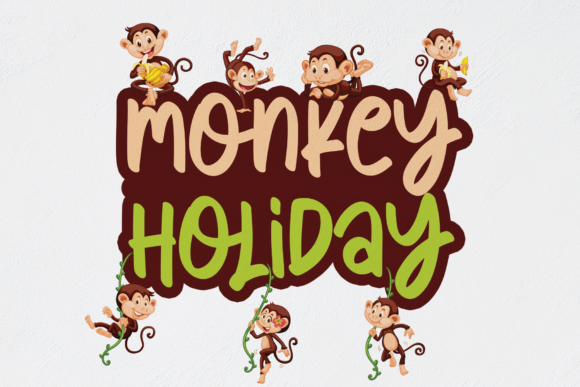
Monkey Holiday is a relaxed, quirky and friendly handwritten font that brings a personal, approachable tone to blog headers and article titles. As a script handwritten font, it stands out from more formal typefaces, making it ideal for lifestyle blogs, personal essays, and creative content branding. When used for blog headers, Monkey Holiday draws the reader’s eye without overwhelming the layout. Its casual charm works especially well for food blogs, travel journals, and wellness publications where warmth and readability are key. Pairing Monkey Holiday with a clean sans serif font for body text creates a balanced visual hierarchy that enhances both desktop and mobile reading experiences.
Using Monkey Holiday for Ebook Covers and Chapter Openers
For ebook designers, Monkey Holiday offers a unique typographic voice that elevates cover designs and chapter openers. This font works especially well for indie authors crafting cozy mystery novels, memoirs, or illustrated guides. The script handwritten style of Monkey Holiday adds a handcrafted feel to ebook covers, making them stand out in digital marketplaces. When used as a chapter title font, it introduces a soft transition between sections, helping readers mentally reset as they move through long-form content. Because Monkey Holiday is designed for visual appeal rather than extended reading, it's best reserved for short bursts of text like headings, subheadings, and pull quotes within an ebook layout.
Monkey Holiday Enhances Newsletter Graphics and Quote Layouts
Newsletters and email marketing benefit from the editorial polish Monkey Holiday brings to quote layouts and featured content blocks. As a fonts choice for digital newsletters, it injects personality into lead-ins, testimonial highlights, and social media graphics. Content creators who use quote images to drive engagement on platforms like Pinterest and Instagram will find Monkey Holiday’s organic, handwritten texture particularly effective. The font’s natural variation in stroke weight and letter spacing mimics real handwriting, giving automated content a more human feel. When exporting newsletter graphics as PDFs or embedding them in blog posts, Monkey Holiday maintains clarity and readability across formats.
Pairing Monkey Holiday with Serif and Sans Serif Fonts for Editorial Design
One of the strengths of Monkey Holiday is its versatility in font pairing. As a script handwritten font, it pairs naturally with both serif and sans serif typefaces, creating contrast while maintaining a cohesive visual tone. For magazine layouts, pairing Monkey Holiday with a readable serif font like Georgia or Merriweather helps establish a warm yet professional editorial identity. In digital newsletters, a clean sans serif font like Open Sans or Lato provides a modern counterpoint to Monkey Holiday’s organic curves. Designers should experiment with font weights and spacing to ensure legibility, especially when using Monkey Holiday for subheadings or call-out text in multi-column layouts.
Monkey Holiday for Wedding Guides, Planners, and Printable Content
Digital product creators will find Monkey Holiday particularly well-suited for wedding guides, printable planners, and branded lead magnets. The font’s relaxed, friendly aesthetic aligns with the visual language of lifestyle and event planning content. Whether used in a bridal magazine cover, a downloadable checklist, or a coaching workbook, Monkey Holiday adds a touch of elegance without feeling overly formal. Its script handwritten structure makes it ideal for invitations, thank-you notes, and branded worksheets where a personal touch enhances reader connection. Designers should check for multilingual support and alternate character sets to ensure flexibility across different content formats and audiences.
Commercial Licensing and Font Usage for Content Creators
When using Monkey Holiday in commercial projects, it's important to verify licensing terms for digital downloads, printables, and client work. Most premium font licenses allow use in ebooks, newsletters, and branded content, but restrictions may apply for web embedding or app integration. Content creators who sell templates, Canva kits, or digital planners should ensure their font license covers derivative works and resale. Checking included styles, ligatures, and weight variations also helps maximize the font’s editorial potential. With proper licensing, Monkey Holiday becomes a reliable asset for content branding, visual storytelling, and audience engagement across publishing platforms.