Lovelyta: A Sweet Handwritten Font for Romantic Branding Projects
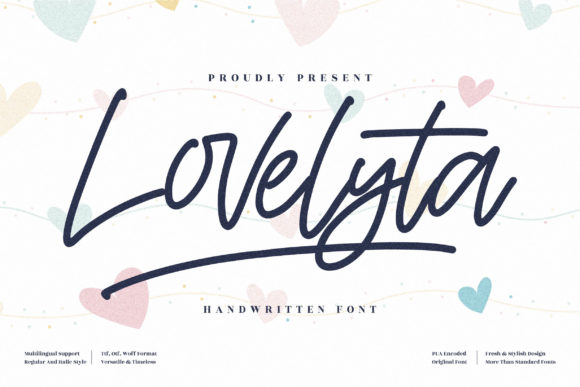
I recently opened a new brand board for a small artisanal café looking to refresh its visual identity. The brief mentioned a desire for warmth, intimacy, and a hint of whimsy—something that would appeal to their regulars and new visitors alike. As I browsed through a few script fonts, I stumbled upon Lovelyta, a script handwritten font that immediately caught my eye. It had that soft, personal touch I was looking for, so I decided to test it across multiple brand elements—from logo design to packaging mockups.
Lovelyta for Logo Design and Brand Identity
The first application I tried was a wordmark logo using Lovelyta. The font’s delicate strokes and gentle curves gave the brand a sense of elegance without feeling overly formal. It felt like the perfect match for a cozy café that wanted to highlight its handmade pastries and locally sourced coffee. I adjusted the letter spacing slightly to ensure clarity and used a soft terracotta color to complement the café’s rustic aesthetic.
What stood out was how Lovelyta brought a sense of personality to the logo. It wasn’t just a font—it was a storytelling tool. The handwritten nature made the brand feel approachable, while the consistency in character shape maintained professionalism. This is a great example of how a script handwritten font can work beautifully in brand identity when the tone is warm and personal.
Using Lovelyta in Packaging Design and Product Labels
Next, I moved on to packaging—specifically coffee bags and pastry boxes. I placed the café’s name at the top of the bag using Lovelyta, and added a short tagline underneath in a clean sans serif to maintain contrast and readability. The font’s dainty appearance worked especially well on smaller labels, where a heavier font might have overwhelmed the space.
One thing to note when using Lovelyta in packaging is that it shines best as a headline or accent font. Because of its script nature, it’s not ideal for long paragraphs or small print. But for short-form text like product names or taglines, it adds a lovely emotional touch that connects with customers on a more personal level.
Lovelyta in Social Media Graphics and Digital Design
I also tested Lovelyta in social media templates for Instagram and Facebook. It worked beautifully in quote-based posts and event announcements. I used it for headlines and featured text elements, pairing it with a soft serif or modern sans serif for body copy. The result was a cohesive visual style that felt both professional and heartfelt.
On digital platforms, this handwritten font adds a human touch that can help small businesses stand out in a sea of generic templates. I found that using it in a hero section or call-to-action header gave the designs a more personalized and boutique feel—perfect for brands that want to feel handcrafted and authentic.
Font Pairing with Lovelyta: Finding the Right Balance
Since Lovelyta is a fairly decorative script, I made sure to pair it with more neutral typefaces. For body text and secondary headings, I used a clean sans serif like Montserrat or Lato. This contrast helped maintain visual hierarchy while ensuring readability across different formats—from printed menus to website footers.
If you’re using Lovelyta in editorial design or multi-page layouts, consider pairing it with a serif font for a more timeless aesthetic. The key is to let the script handwritten font shine in the right places without compromising legibility or brand consistency.
Testing Lovelyta Across Brand Materials
Before finalizing the brand system, I created a variety of mockups: business cards, thank-you notes, window decals, and even a small poster for an upcoming café event. Each time, I evaluated how well Lovelyta held up in different sizes and formats.
One thing I noticed was that Lovelyta works best at medium to large sizes. On small business cards, I made sure to use it only for the name or title, not for contact details or addresses. This helped maintain clarity while still benefiting from the font’s romantic and joyful personality.
What to Look for When Downloading Lovelyta
As with any premium font, it’s important to check what styles and features are included. I found that Lovelyta came with a nice set of alternates and ligatures, which allowed me to customize the look for different applications. It also supported multiple languages and was available in common file formats like OTF and TTF, making it versatile for both print and digital use.
If you're planning to use this handwritten font in commercial design assets—like merchandise, templates, or brand kits—make sure to review the font licensing. Most quality script fonts come with commercial use permissions, but it’s always good to double-check before launching client work.
Why Lovelyta Works for Wedding Invitations and Personalized Cards
This script handwritten font is also a natural fit for wedding stationery and greeting cards. Its delicate, joyful appearance makes it ideal for expressing love, celebration, and connection. I once used it in a mock invitation design for a friend’s boutique design studio, and the feedback was overwhelmingly positive.
Whether you're designing a formal wedding suite or a casual birthday card, Lovelyta brings a sense of warmth and sincerity that’s hard to replicate with more rigid typefaces. It’s the kind of font that feels like a handwritten note from a friend—soft, sincere, and full of heart.