Romantic Austine: A Timeless Handwritten Font for Elegant Branding
Testing Romantic Austine on a Boutique Bakery Brand Identity
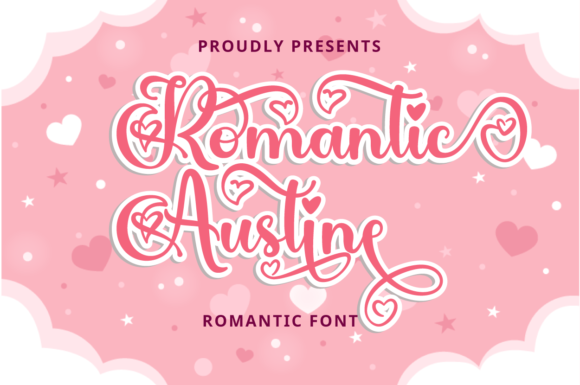
As a brand designer, I recently opened a blank brand board for a local artisan bakery looking to refresh their visual identity. The brief called for warmth, elegance, and a touch of personality—something that felt handcrafted and inviting. I reached for Romantic Austine, a script handwritten font I’d seen in a font bundle but hadn’t yet tested in a real project. The first thing I noticed was how effortlessly it brought a soft, romantic energy to the logo concept. It wasn’t too whimsical, yet it carried a timeless charm that made it stand out among other fonts I was considering.
Romantic Austine for Logo Design and Brand Perception
I placed Romantic Austine on the bakery’s logo mockup and was immediately drawn to its natural flow and delicate ligatures. It gave the brand a boutique feel, perfect for packaging, signage, and digital touchpoints. Compared to other script handwritten fonts I tested—some too bouncy, others too rigid—Romantic Austine struck a perfect balance. It’s clearly designed for display use, not long-form text, but that’s exactly what makes it shine in logo design. It helped elevate the brand perception from generic to artisanal with just a single typographic choice.
How Romantic Austine Performs in Packaging and Print Design
Next, I moved to packaging mockups. The client wanted custom labels for honey jars and bakery boxes that felt personal and upscale. I layered Romantic Austine over soft watercolor textures and subtle botanical illustrations. The font held up beautifully at various sizes—still legible on small product tags and impactful on larger packaging panels. It added a sense of craftsmanship and authenticity that aligned perfectly with the brand’s values. As a handwritten font, it brought a human touch that clean sans serifs or traditional serifs simply couldn’t match.
Pairing Romantic Austine with Supporting Fonts
For the brand board, I paired Romantic Austine with a light sans serif for body copy and a classic serif for subheaders. The contrast worked well—Romantic Austine took center stage in headlines and logos, while the supporting fonts kept the layout balanced and readable. This kind of font pairing is essential when using a script handwritten font like this. It ensures that the design feels cohesive and professional, not overly stylized or difficult to read.
Romantic Austine for Web and Social Media Design
I also tested Romantic Austine in digital spaces—website headers, Instagram stories, and email banners. On screen, it maintained its elegance and character. I used it sparingly, mostly for hero text and quote graphics, where its decorative nature could shine without compromising readability. For web use, I recommend sticking to SVG or web-optimized formats to preserve the font’s fine details. It’s not ideal for body copy online, but as a display font, it adds a refined visual accent that users will notice and remember.
When Romantic Austine Isn’t the Right Fit
While Romantic Austine performed well in most branding applications, I noted a few limitations. It doesn’t scale well for very small print, like footers on business cards or legal disclaimers on packaging. Also, if you're designing for a corporate or highly formal brand, this font might feel too casual or expressive. It’s best suited for lifestyle brands, creative studios, wedding-related businesses, and boutique shops where warmth and personality are key brand values.
Final Thoughts: Romantic Austine as a Go-To Font for Brand Designers
After testing Romantic Austine across a full brand identity project, I can confidently say it's a versatile and elegant script handwritten font that deserves a place in any designer’s toolkit. Its PUA encoding makes it easy to access special characters and ligatures, which is a big plus for custom logo work. Whether you're designing a logo, packaging, or social media graphics, this font delivers a timeless, romantic aesthetic that’s hard to replicate with other typefaces. Just remember to test it in context and pair it wisely for the best results.